

The shift from summer to fall rarely happens overnight. Warm afternoons can continue well into September, while mornings and evenings begin to feel noticeably cooler. That in-between period can make seasonal decorating, and especially bedding—slightly tricky.
A heavy winter comforter may feel too warm, but lightweight summer bedding can start to feel insufficient at night. The easiest solution is not to replace everything at once. Instead, make small changes that help your home adjust gradually.
From layered bedding and cozy throw blankets to warmer lighting and practical seasonal maintenance, here are seven simple ways to prepare your home for the summer-to-fall transition.
1. Keep Summer Bedding and Add One Extra Layer

During early fall, temperatures often change throughout the day. Rather than putting away all your summer bedding immediately, keep your current sheets or lightweight comforter and add one flexible layer.
A knit throw blanket folded across the foot of the bed works well during this transition. It can be pulled up when the room feels cool and pushed aside on warmer nights. This creates a more adaptable sleep setup than switching directly to a thick winter comforter.
People who naturally sleep hot may continue using cooling sheets or a cooling comforter into fall. Breathable bedding can still feel comfortable when indoor temperatures remain high, especially in homes that retain heat after sunset.
The goal is to build warmth gradually instead of relying on one heavy layer.
2. Refresh the Bed with a New Duvet Cover
A duvet cover is an easy way to shift the bedroom from summer to fall without replacing the comforter underneath.
Soft neutrals such as cream, taupe, gray, muted green, and warm beige suit the season while remaining versatile throughout the year. They also coordinate easily with cooling sheets, pillowcases, and textured blankets.
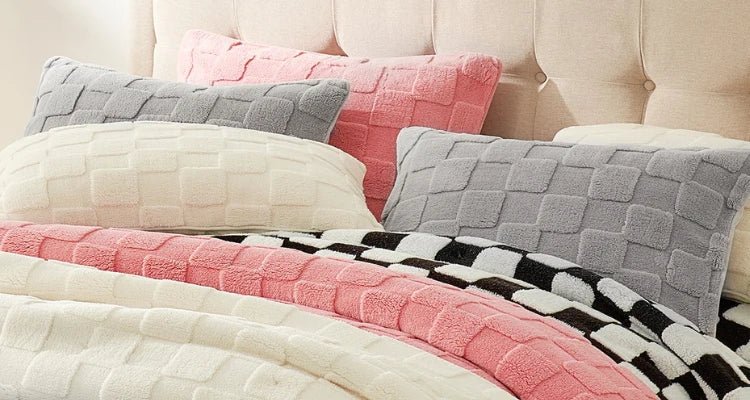
During the summer-to-fall transition, breathable materials remain useful. A smooth duvet cover can provide a clean base, while a knit or faux-fur throw adds the warmth and texture associated with fall.
A removable duvet cover also makes seasonal care easier. Because it can be washed separately, it helps protect the comforter from body oils, dust, food, and everyday contact.
3. Bring Throw Blankets Back into the Living Room

As evenings become cooler, the sofa often becomes the place where people read, watch movies, or relax after work.
A cozy throw blanket for the couch adds comfort without making the room feel overly wintery. Lightweight knit blankets are especially useful in early fall because they provide warmth while remaining easy to fold and move.
When temperatures drop further, a plush faux-fur blanket can create a fuller and warmer feel. There is no need to display several blankets at once. One well-placed throw is usually enough to make a sofa or armchair feel more inviting.
Instead of folding it too carefully, leave it naturally draped over one side of the sofa or place it in a nearby basket where it can actually be used.
4. Use Texture to Create a Fall Atmosphere
Fall decorating does not require a room full of pumpkins, leaves, and seasonal signs. Texture can create a warmer atmosphere without making the space feel themed.
Try combining smooth sheets or a duvet cover with a soft knit blanket. In the living room, pair a simple sofa with one textured pillow or a plush throw. A rug can also make wood or tile floors feel less bare as the weather cools.
This approach works particularly well in smaller homes and apartments. Different textures add depth while keeping the main color palette clean and simple.
The result feels seasonal, but the pieces can remain useful after fall ends.
5. Make Small Changes to Your Color Palette
Late summer and early fall share many of the same natural colors, so the transition does not need to be dramatic.
Instead of replacing bright summer décor all at once, introduce a few warmer shades gradually. Rust, olive green, warm brown, burgundy, mustard, cream, and muted orange can all work well in a fall home.
These colors can appear through a throw blanket, pillowcase, vase, or small piece of artwork. Keeping the main furniture and bedding neutral makes it easier to update the room without buying an entirely new seasonal collection.
Even one warm-colored blanket placed over neutral bedding can shift the room toward fall.
6. Create Softer Evening Lighting
The days begin to shorten during the summer-to-fall transition, making indoor lighting more noticeable.
Bright ceiling lights are practical during the day, but they can feel harsh once the evening begins. A table lamp or floor lamp with a warm-toned bulb creates a softer atmosphere around the sofa, reading chair, or bedside area.
This is also a good time to set up a small reading corner. A comfortable chair, backrest pillow, nearby blanket, and suitable reading lamp are often enough. The space should be easy to use rather than heavily decorated.
Candles can add warmth, but they should always be placed away from bedding, curtains, children, and pets, and never left unattended.
7. Wash and Check Seasonal Bedding Before Using It

Blankets and comforters stored during summer should be checked before returning to the bed or sofa.
Look for dust, stale odors, stains, or signs of moisture. Wash each item according to its own care label, since knit blankets, faux-fur throws, cooling bedding, and heated blankets may require different cleaning and drying methods.
Make sure everything is completely dry before use or storage. Damp bedding can develop musty odors, particularly when folded in a closed closet.
If you use a heated blanket later in the season, inspect the fabric, cord, and controls before plugging it in. Products with visible damage should not be used.
This practical step may not change how the room looks, but it helps keep seasonal bedding clean, comfortable, and ready for cooler nights.
A Simple Summer-to-Fall Home Checklist
A gradual seasonal update may include:
1. Keeping lightweight sheets or a cooling comforter in place
2. Adding one knit or cozy throw blanket
3. Refreshing the bed with a washable duvet cover
4. Introducing one or two warmer colors
5. Using softer lighting in the evening
6. Washing stored blankets before use
7. Waiting until temperatures truly drop before adding heavy winter bedding
There is no reason to complete the transition in one weekend. Let the weather and your daily comfort determine when each new layer is needed.
Let Your Home Change with the Weather
The best fall home updates are not only decorative. They make everyday life more comfortable during a season when temperatures can change quickly.
Keep the summer bedding that still works, then add warmth through a knit blanket, duvet cover, or soft throw. Adjust the lighting, introduce a few natural fall colors, and prepare stored bedding before cooler nights arrive.
By layering gradually, you can create a cozy fall home without overheating the bedroom, crowding the space, or replacing items that are still useful.
Frequently Asked Questions
When should I switch from summer to fall bedding?
There is no fixed date. Begin adding layers when nights become cooler, but keep breathable summer bedding in use if your bedroom still feels warm.
What bedding is best for the summer-to-fall transition?
Lightweight sheets, a breathable comforter, a washable duvet cover, and a knit throw blanket create a flexible setup that can be adjusted as temperatures change.
Can I keep using cooling bedding in fall?
Yes. Hot sleepers may continue using cooling sheets or comforters and add a blanket only when extra warmth is needed.
What type of blanket is best for early fall?
A lightweight knit throw is usually more flexible than a heavy winter blanket. Faux-fur or thicker blankets can be added later as temperatures drop.
How can I decorate for fall without buying too much?
Use practical seasonal pieces such as a throw blanket, duvet cover, pillowcase, or lamp. Add warmer colors and natural textures gradually rather than replacing the entire room.


Hinterlasse einen Kommentar
Diese Website ist durch hCaptcha geschützt und es gelten die allgemeinen Geschäftsbedingungen und Datenschutzbestimmungen von hCaptcha.